NSW·OFW·001
Albert Kersten Mining and Minerals Museum
Also known as: The GeoCentre · Albert Kersten Mining & Minerals Museum
Museum
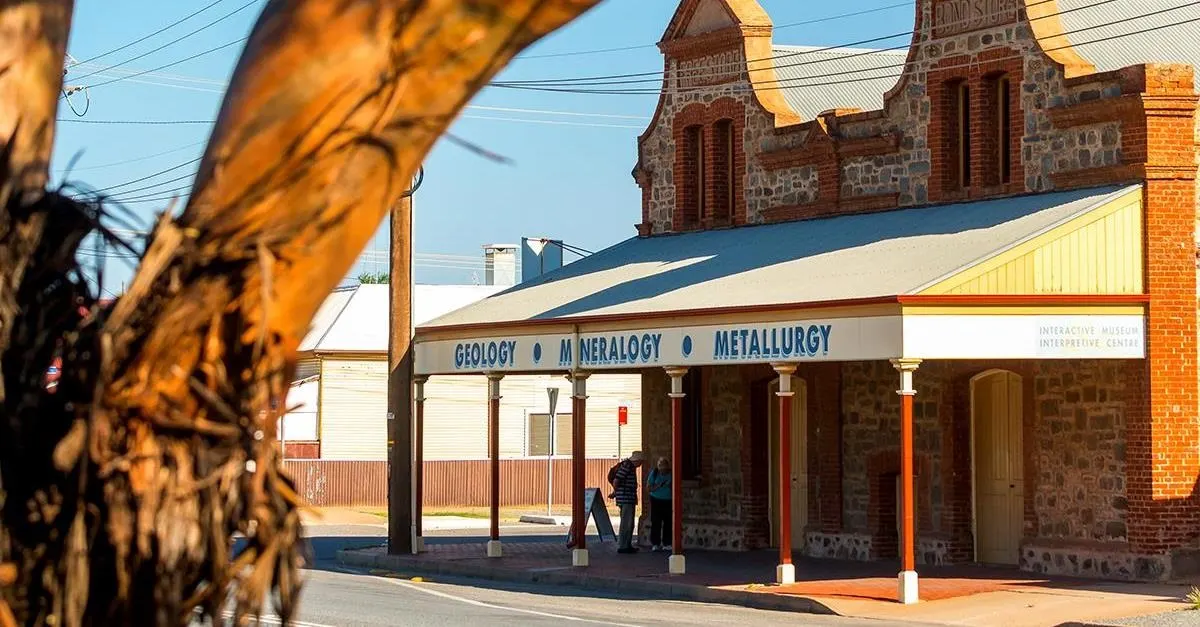
About
Broken Hill's geological science museum, housed in the restored former Bond Store on the corner of Bromide and Crystal Streets. It explains how the world's largest silver-lead-zinc deposit formed at Broken Hill and displays a renowned collection of local minerals alongside hands-on earth science exhibits.
The collection
A collection of roughly 1,000-2,000 mineral specimens centred on Broken Hill's unique geology, plus several hundred mining artefacts. Displays cover mineralogy, metallurgy, geological time and the science of crystals, together with the social history of the mining city.
- Collection size
- ≈ 2,000 items
Objects of note
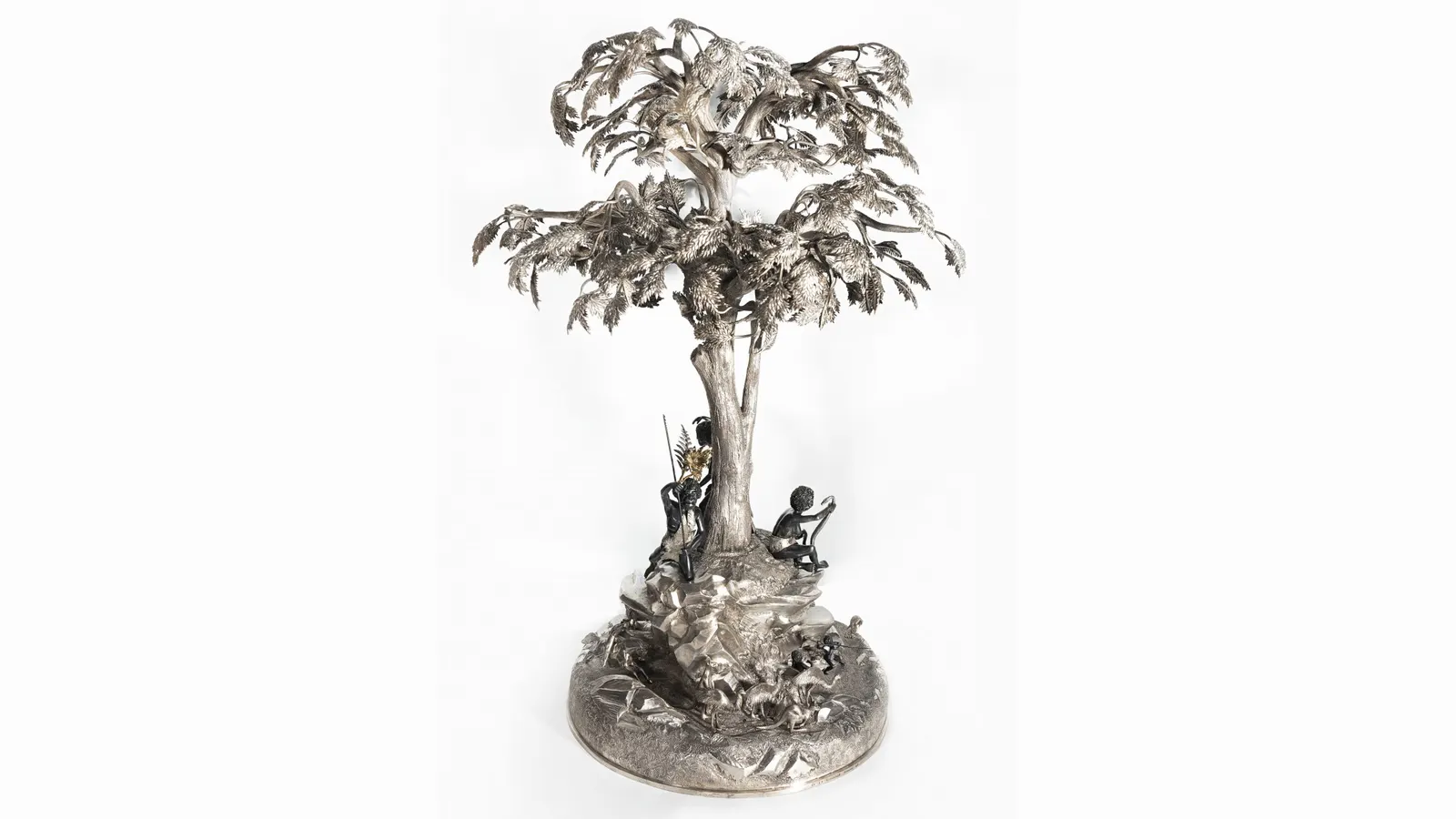
Albert Kersten Mining and Minerals Museum via Storyplace (All rights reserved) The Silver TreeNational significanceDomestic Object1879 · Henry Steiner
A monumental silver epergne (table centrepiece) crafted in 1879 by Adelaide silversmith Henry Steiner (1835-1914) from 8.5 kg of silver for the Melbourne International Exhibition of 1880. Standing 66 cm high and 41 cm wide and comprising 24 separate pieces, it features figures of Aboriginal people, animals and rocks around the trunk of a hollow tree topped with tangled branches and foliage. It was once owned by Charles Rasp, the boundary rider who pegged the first Broken Hill mining lease in 1883, and is the museum's most famous exhibit.
A masterwork of nineteenth-century Australian silver directly tied to the discovery of the world's largest silver-lead-zinc deposit.
- Materials
- silver
- Dimensions
- 66 cm high x 41 cm wide; 8.5 kg
- Provenance
- Made for the Melbourne International Exhibition 1880; owned by Charles Rasp; Albert Kersten Mining and Minerals Museum (GeoCentre), Broken Hill
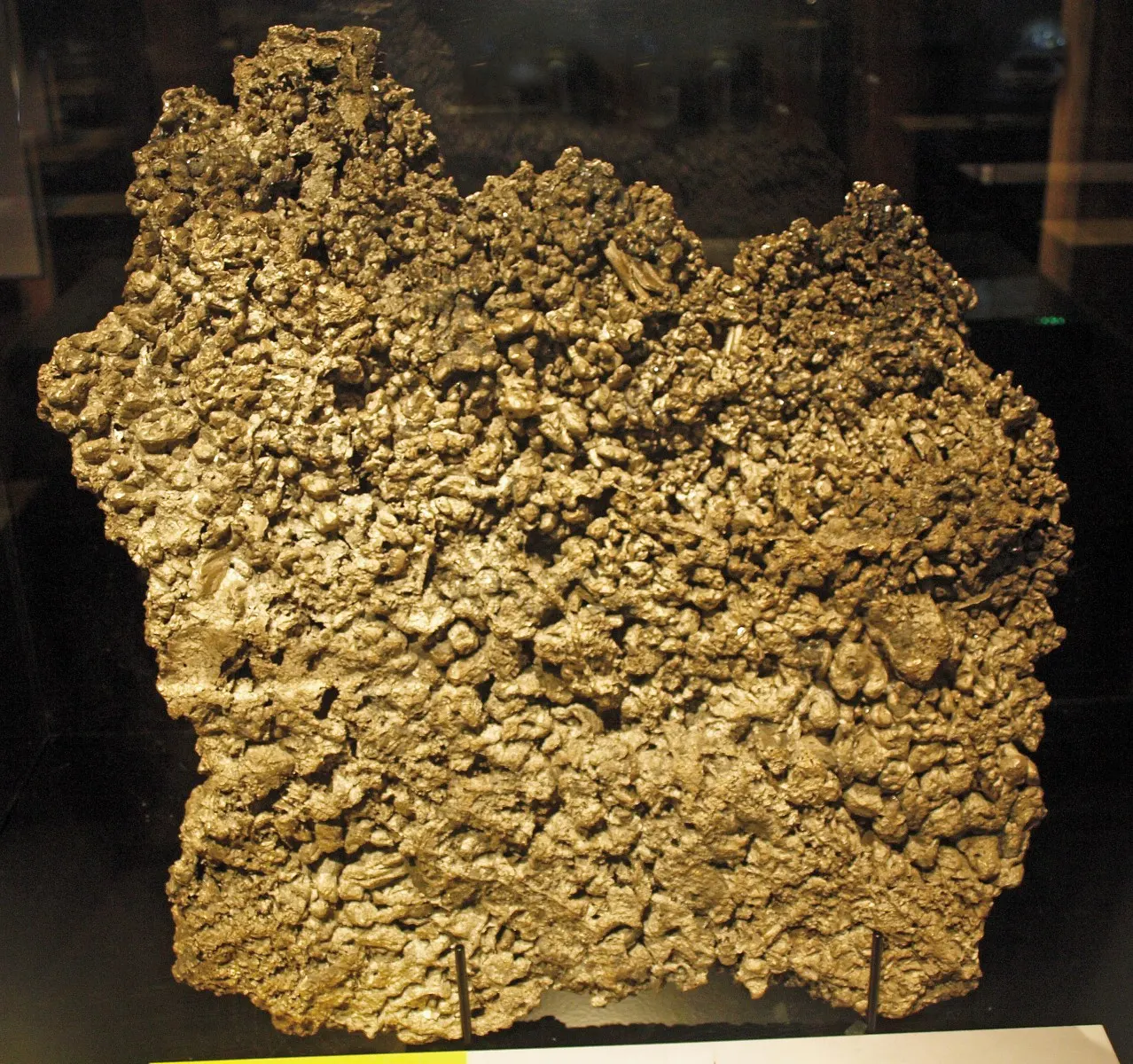
Deposits Magazine (All rights reserved) 42 kg silver nuggetNational significanceMineral / FossilA massive 42-kilogram silver nugget highlighted by Broken Hill City Council as a centrepiece of the GeoCentre's displays. It embodies the extraordinary richness of the Broken Hill line of lode, the largest silver-lead-zinc deposit ever discovered.
An exceptional mass of native silver from one of the world's great mineral localities.
- Materials
- silver
- Dimensions
- 42 kg
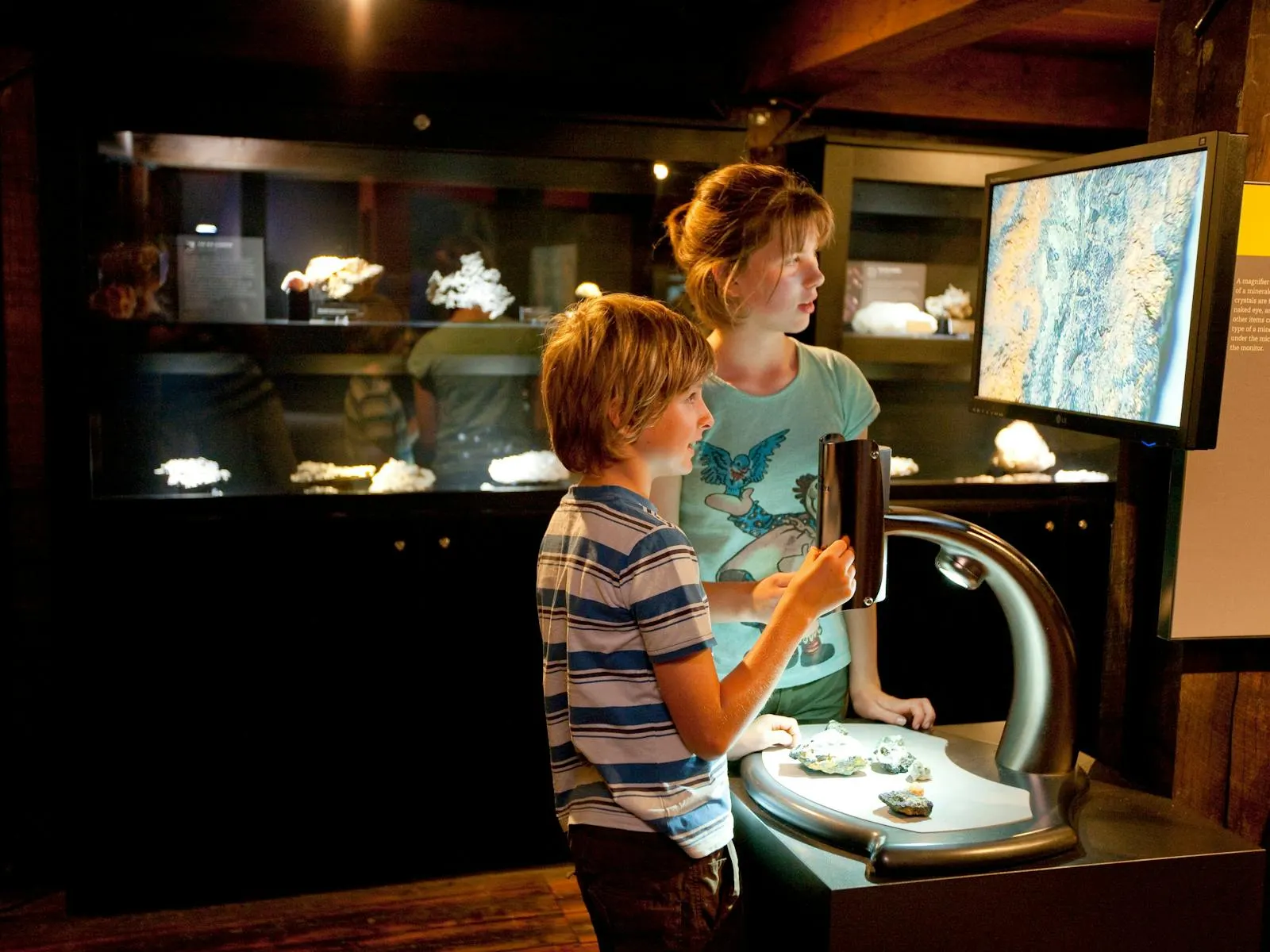
Albert Kersten Mining and Minerals Museum / Destination NSW (All rights reserved) Broken Hill mineral collectionInternational significanceMineral / FossilA renowned suite of mineral specimens collected from the Broken Hill district, with over 200 samples on display interpreting how the world's largest silver-lead-zinc deposit formed. Broken Hill is one of the world's great mineral localities — type locality for numerous rare secondary minerals — and the museum's holdings, displayed in the restored former Bond Store, are the principal public window onto that geological heritage.
Broken Hill is among the world's most famous mineral localities, and this is its principal public mineral collection.
- Materials
- mineral specimens
- Provenance
- Collected in the Broken Hill district
Provenance
Record verified 2026-08-29 · Confidence: high · Coordinates: derived from OpenStreetMap
- Albert Kersten Mining and Minerals Museum | Broken Hill City Council — accessed 2026-08-29
- The Albert Kersten Mining and Minerals Museum (Geocentre) - MGNSW — accessed 2026-08-29